Training for the Moments That Matter Most

Strengthening Risk Management and Duty of Care at World Race
At World Race and Adventures in Missions, we send people to the ends of the earth. That calling is sacred. It carries deep purpose—and real responsibility.
When a participant says “yes” to go, they entrust us with more than just a passport and itinerary. They offer up their growth, their safety, and the trust of those who love them most. Our commitment in return must extend beyond logistics and prayerful preparation. It requires that we steward their care through risk, crisis, and the unknown.
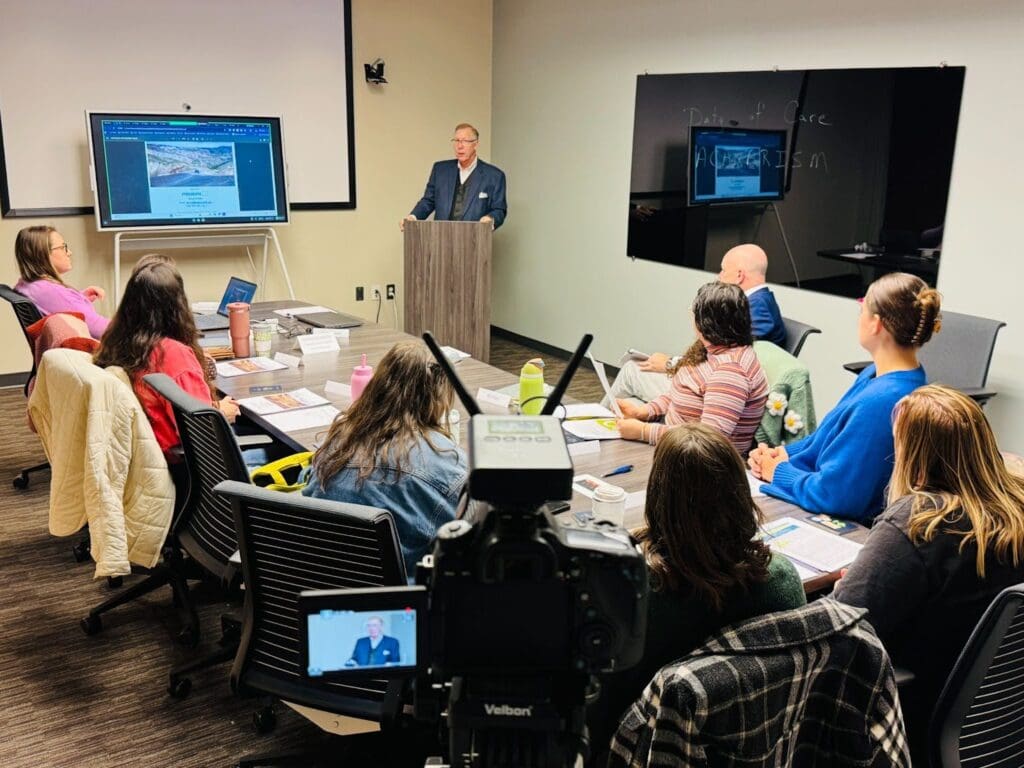
Recently, a group of World Race and Adventures in Missions leaders gathered at MissionSafe’s headquarters in Alpharetta, Georgia, for advanced training in risk management and crisis response. MissionSafe, our long-standing travel insurance and risk management partner, helps support our international medical care, emergency response, and training initiatives for those who lead in mission contexts.
The aim of the day was simple, yet essential: that our leaders would walk away ready to respond with clarity, confidence, and care when the unexpected arrives.
Preparing Leaders for Crisis Response
The training itself was rooted not in theory, but in the stories we’ve lived. Leaders engaged in hands-on learning shaped by real scenarios—many drawn directly from the field. The MissionSafe team, including Bill Pope, John Drye, Racquel Rossbach (a former World Racer), and others, walked us through what happens behind the scenes when crisis strikes.
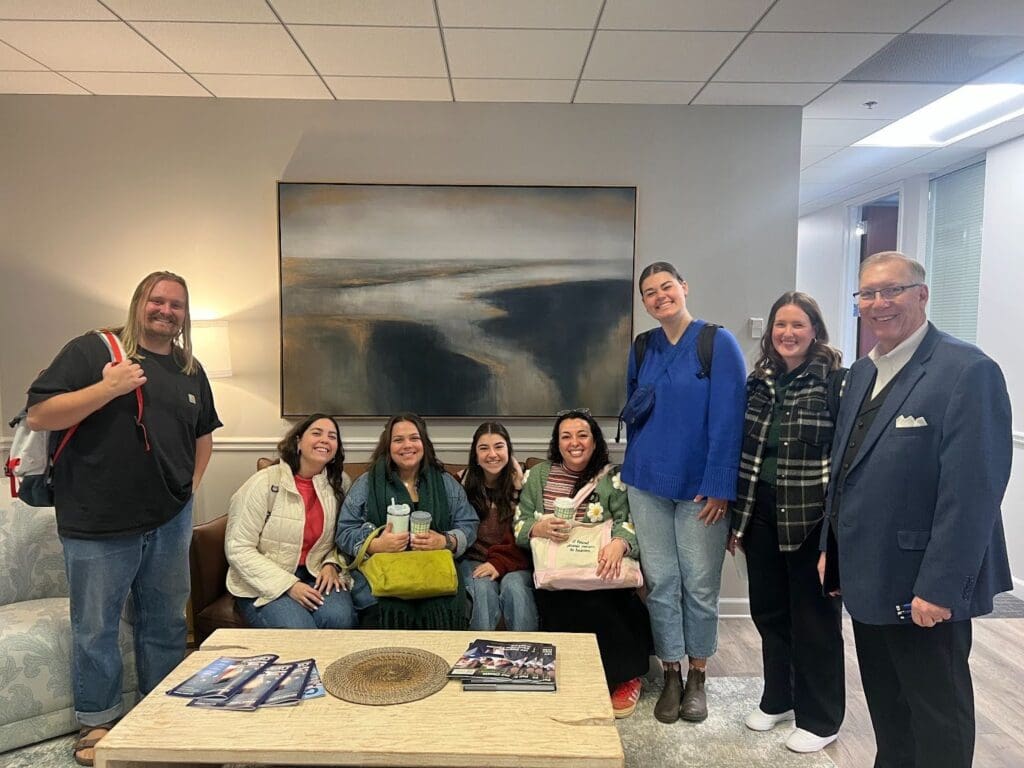
Those in attendance represented key areas across our mission: Operations, World Race leadership, Parent Ministry, Trip Support, and Field Leadership. Seven gathered in person; others joined remotely. The shared goal was alignment—ensuring that when critical moments arise, we respond with one voice, one heartbeat.
We worked through practical, high-pressure workflows, including:
- How domestic and international teams coordinate during an incident
- How to assess and escalate situations to engage the right leaders
- Communication rhythms that reduce confusion and guard against misinformation
- Documentation practices that support wise, timely decisions
- Scenario-based drills involving serious illness or injury to clarify team roles and communication handoffs
Each leader walked away with shared language, tested tools, and a renewed sense of clarity: in moments of crisis, they will not walk alone.
Why Risk Management Training Matters
We send teams into a world that is beautiful—and broken. Travel delays, medical emergencies, unpredictable weather, and shifting local conditions can quickly unravel even the best-laid plans.
And while no training can eliminate risk entirely, we believe in preparation that is both structured and humble. Families deserve the assurance that we take our responsibilities seriously. This training represents part of a broader commitment to steward risk well, to make sound decisions, and to keep learning as we lead.
What This Means for Parents and Families
If you’re a parent or family member considering Adventures in Missions, here is what we want you to know:
- We train for response, not reaction.
Our leaders are equipped with clear roles, tested workflows, and practiced strategies. - We prioritize thoughtful communication.
Our goal is timely, accurate updates—not speculation or fragmented reports. - We prepare before departure.
Many emergencies are best managed when details—medical forms, contact info, travel documents—are complete and correct in advance.
As one of our leaders put it during the training: “Parents trust us with what matters most. This kind of preparation strengthens our ability to respond with clarity, communicate responsibly, and support our travelers with care when plans change.”
Frequently Asked Questions for Families
How does World Race prepare leaders for emergencies overseas?
Leaders receive structured risk and crisis training, including hands-on practice, decision-making frameworks, and communication protocols grounded in real-world application.
Who supports leaders when something goes wrong?
They are supported by a network of domestic and international teams—as well as by MissionSafe, our partner in travel insurance and risk management. No leader is ever left to navigate crisis alone.
How will families be informed if there’s an incident?
Communication is careful and intentional. We aim to share timely and accurate updates through appropriate channels—avoiding speculation and confusion.
What kinds of situations does this training address?
Serious illness or injury, medical emergencies, evacuations due to local conditions, and other unexpected travel disruptions.
What can parents do to help before the trip begins?
Ensure medical forms are complete, emergency contacts are accurate, and all travel documentation is in order. These steps lay a strong foundation for preparedness.

 Participant Login
 Donor Login