The Ministry of Showing Up: Why You Don’t Need Extraordinary Skills to Make an Impact

Redefining International Missions
When you picture international missions, what do you imagine? Most people think of big stages and dramatic miracles, but the reality is often found in the quiet moments of faithfulness.
Maybe preaching to a crowd, leading a ministry project, or having one of those unmistakably powerful moments where you know God is moving.
You probably don’t picture trimming bushes along a neighborhood road, handing out ice cream at a school sports day, or creating an English lesson plan for a classroom of students with completely different skill levels.
During World Racer Mollie Stutzman’s time serving in Thailand, she discovered that international missions is often built on a foundation of simple, everyday service.
Her team taught English, served at schools, helped with community projects and Christmas programs, traveled into a mountain village, visited people in their homes, prayed with families, and built relationships with local hosts who eventually began to feel like family.
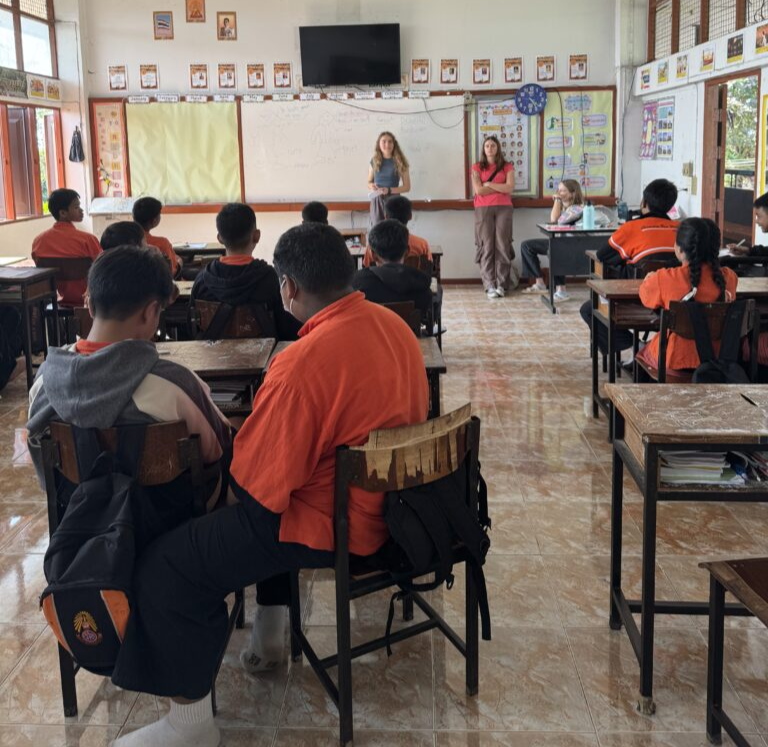
Some moments were simple. Others were deeply emotional. Together, they offer a beautiful picture of what mission work can actually look like.
Sometimes, ministry begins with being willing to show up.
You Don’t Have to Be an Expert to Serve
It’s easy to disqualify yourself from missions because you don’t think you have the right skills. Maybe you’ve never preached a sermon or taught a class. You don’t speak another language. You may not even know what your spiritual gifts are yet.
Participants on the World Race don’t arrive knowing exactly how to handle every situation they’ll encounter; instead, they learn to rely on God through short term mission trips and long-term placement. Much of the experience is learning as you go and stepping into needs you didn’t anticipate.
For Mollie, that happened while teaching English at a school in Thailand. She was assigned to students between 10 and 13 years old, which meant teaching required more than basic vocabulary practice. She had to create lesson plans, help students form sentences, and serve a classroom where everyone had a different level of English proficiency.
She described the experience as challenging, but also as a valuable lesson in adaptability.
That’s the kind of growth that happens when you’re willing to serve the people in front of you. You listen, adjust, try something new, and become more capable because you’ve been willing to learn.
How International Missions Can Look Surprisingly Ordinary
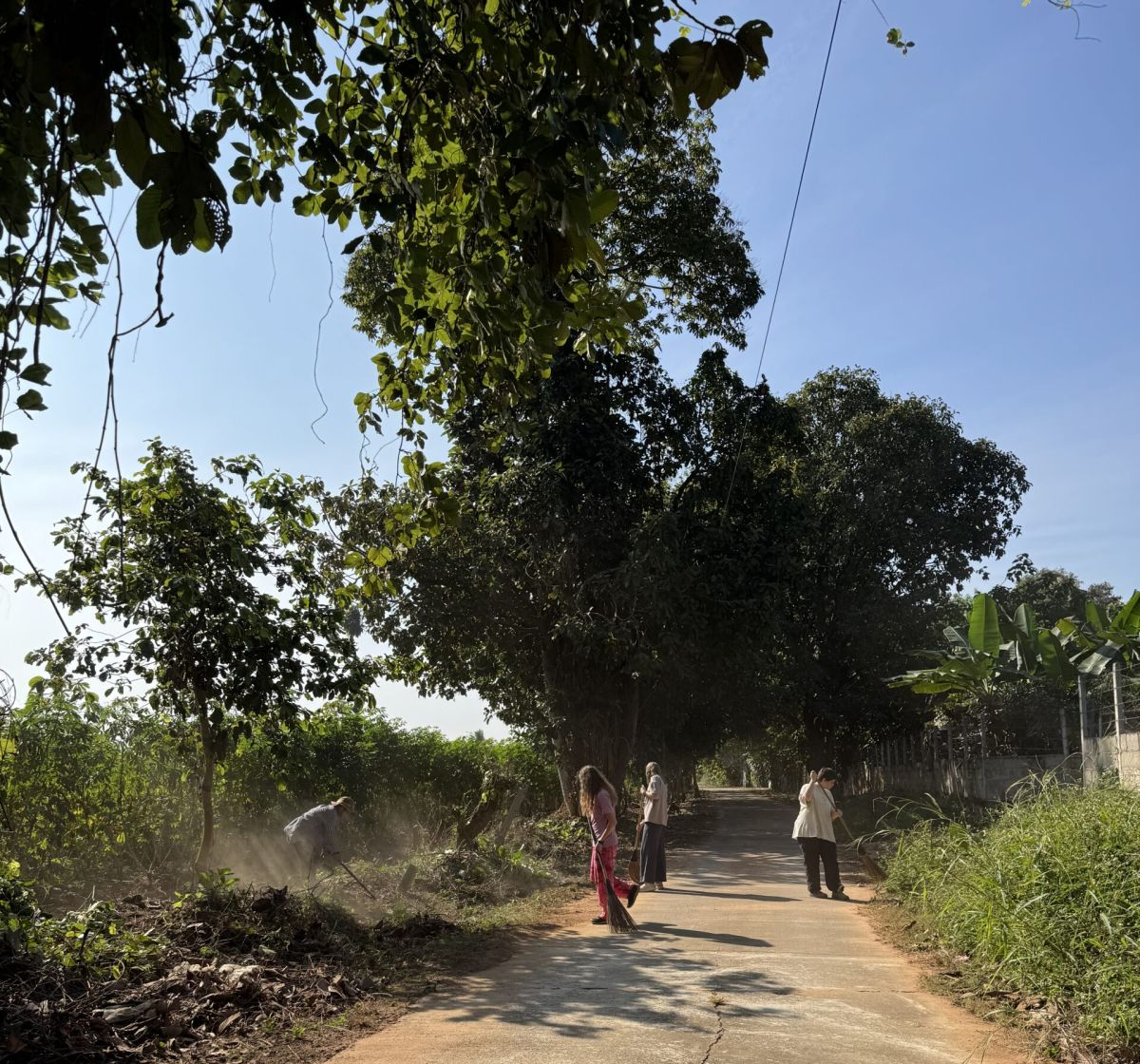
A few days after teaching English, Mollie’s team swept and trimmed bushes along a neighborhood road. Then they were serving ice cream to children during a school sports day. Later, they returned to local preschools to help with a Christmas program.
While these tasks might not sound like typical stories of international missions, they represent the heart of cross-cultural ministry: meeting tangible needs with love.
Sometimes love looks like noticing what would make someone’s day easier and doing it.
Jesus consistently paid attention to the people around Him. He welcomed children, shared meals, entered people’s homes, and stopped for people others overlooked. His ministry was deeply personal, and following Him often brings us into the same kind of work.
Some moments on the World Race will feel significant while they’re happening. Other moments will feel ordinary, but their impact may never be fully seen.
Both matter.
Showing Up Creates Space for Relationship
Eventually, Mollie’s team traveled six hours through the mountains to the Lahu Shehleh village for a Christmas evangelism program their hosts had spent months preparing.
Local churches came together for games, songs, dances, and a Christmas story presentation. Mollie’s team joined what was already happening, and one of her favorite parts came when they divided into small groups and began visiting homes throughout the village.
Even communicating required patience. The village spoke a separate language, so conversations sometimes had to move through two translators: from the village language into Thai and then from Thai into English.
Still, connection happened.
Mollie visited a woman who lived alone and prayed with her about her health. Her group visited another woman who had been unable to walk for about 10 years. Mollie wrote that after they prayed, they witnessed the woman get up and walk, describing the joy and amazement in her eyes as incredible.
The team also visited people living with physical disabilities and difficult circumstances. They couldn’t solve every problem they encountered, and they didn’t even share a common language with many of the people they met.
But they could listen. They could pray. They could care.
They could show up.
The People You Serve May Become the People Who Serve You
Mollie’s memories of Thailand are also filled with stories of what she received.
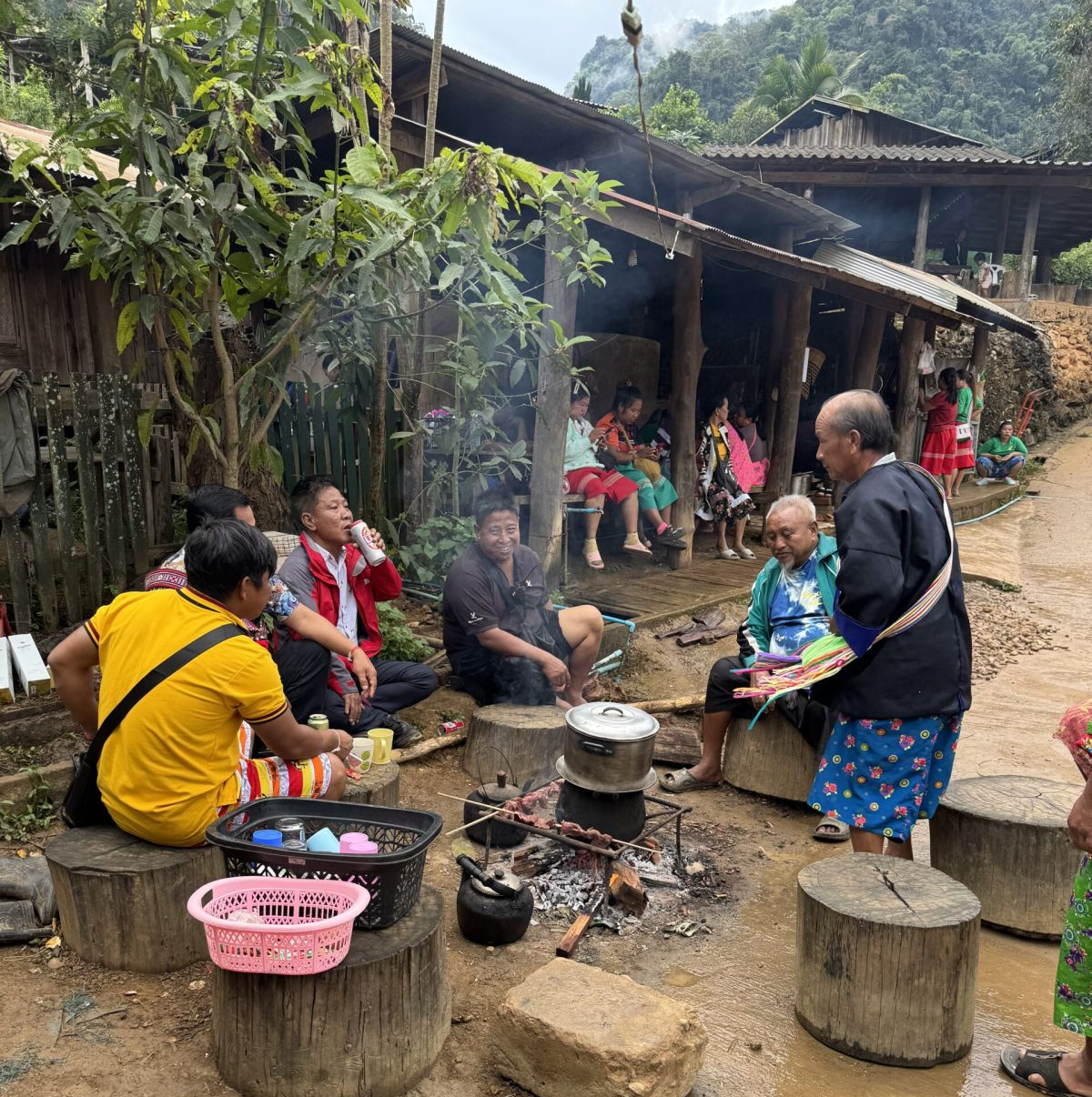
A family in the mountain village opened their home so her team would have somewhere to sleep. They gathered around a fireplace while an older man served them coffee. Their ministry hosts, Wanida and Aaron, cared for the team with so much warmth that Mollie began referring to them as her “Thai parents.”
She remembers Wanida’s cooking, Aaron making special stops at 7-Eleven, and an ongoing competition between the two of them to see who could scare the other.
Those small details became part of what made Thailand feel like home.
Cross-cultural ministry has a way of changing the categories of “us” and “them.” Ministry becomes relationship. Hosts become friends. Strangers become family. You arrive ready to give and quickly discover how much you have to receive.
Faithfulness Starts With What’s in Front of You
By the time Mollie left Thailand, she had taught classes, served children, cleaned roads, traveled through the mountains, prayed inside people’s homes, worked alongside local churches, and formed relationships she hoped would last far beyond the Race.
There wasn’t one activity that defined her ministry there. There was simply a willingness to keep stepping into whatever came next.
That’s something worth remembering when you wonder whether you’re qualified to serve God.
You don’t need extraordinary talents or years of ministry experience to begin. Pay attention to who’s in front of you. Look for where you can serve. Be willing to listen, encourage, pray, learn, and help with whatever needs doing.
Some of the most meaningful Kingdom work begins there.
Are You Willing to Show Up?
The World Race is an invitation to step into international missions, serve the global church, and discover what God can do through your willingness. Your story won’t look exactly like Mollie’s, but it can begin the same way: by saying yes to what God puts in front of you.

 Participant Login
 Donor Login